



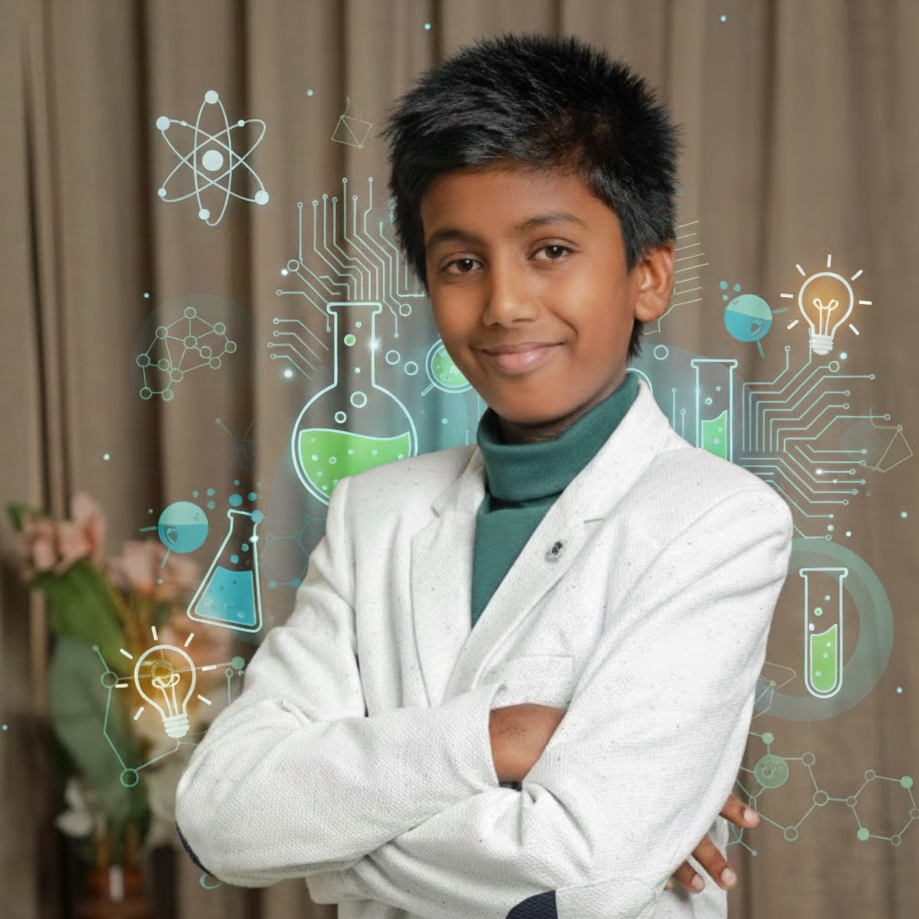
Science Workshop for Students is one of the most effective ways to spark curiosity and build a love for learning at an early age. When children are exposed to hands-on experiments, simple explanations, and real-world examples, science becomes exciting rather than awesome. Early exposure shapes how students think, ask questions, and explore the world around them.
Curiosity is not just about learning facts. It is about developing a mindset that encourages exploration, critical thinking, and problem-solving. Practical science sessions help students connect classroom concepts with everyday life, making learning meaningful and memorable.
Table of Contents
Why Early Curiosity Matters in Learning
Children are naturally curious. They question how things work, why changes happen, and what causes certain results. When this curiosity is nurtured early, it becomes a foundation for lifelong learning. Without the right exposure, curiosity can fade and learning can become routine and mechanical.
Interactive science sessions allow students to explore concepts through observation and experimentation. Instead of memorizing theories, they experience learning in action. This approach builds confidence and helps students trust their ability to understand complex ideas.
Early curiosity also supports emotional and social development. Students learn patience, teamwork, and responsibility while working on experiments and group activities. When combined with Communication Workshops, learners gain the ability to express ideas clearly, ask thoughtful questions, and share observations with confidence, strengthening both scientific understanding and interpersonal skills.
How a Science Workshop for Students Encourages Active Learning
A Science Workshop for Students shifts learning from passive listening to active participation. Students are encouraged to observe, test, predict, and analyze outcomes. This process strengthens logical thinking and improves attention span.
Hands-on activities make abstract concepts easier to grasp. Simple experiments related to motion, energy, or chemical reactions help students visualize what they learn in textbooks. When children see results firsthand, learning becomes enjoyable and impactful.
Such workshops also promote confidence. Students feel proud when they complete an experiment successfully, which motivates them to explore more topics independently.
Building Skills Beyond Science
Science workshops do more than teach scientific concepts. They help students develop essential life skills such as communication, collaboration, and problem-solving. Group experiments encourage discussion and teamwork, allowing students to express ideas clearly, listen to different viewpoints, and work toward shared outcomes.
As students explain observations and results, they naturally improve their speaking and presentation abilities. Communication Workshops support this process by helping learners organize thoughts, ask questions confidently, and share ideas without hesitation. These skills are valuable not only in academics but also in everyday interactions and future careers.
Hands-on activities also teach responsibility and discipline. Students learn to follow instructions carefully, manage materials safely, and complete tasks within a given timeframe. This builds patience, focus, and accountability from an early age. Problem-solving exercises encourage logical thinking and creativity, helping students approach challenges calmly instead of feeling overwhelmed.
By participating regularly, students gain confidence in decision-making and develop leadership qualities. They become more comfortable working in teams, taking initiative, and learning from mistakes. These experiences prepare them for real-world situations where cooperation, communication, and critical thinking matter just as much as subject knowledge.
Role of Mentorship and Structured Learning
Guided sessions play an important role in effective learning. Mentors provide clarity, direction, and encouragement, ensuring that students understand not only what happens in an experiment but why it happens.
Programs and workshops offered through Jainam Jain focus on structured learning combined with curiosity-driven exploration. These sessions emphasize practical understanding, confidence-building, and skill development rather than rote memorization.
Mentorship helps students ask better questions and develop a deeper interest in learning. This guidance supports long-term academic growth and personal development.
Pro Tips to Maximize Learning from Science Workshops
- Encourage students to ask questions freely during sessions.
- Focus on understanding concepts rather than completing experiments quickly.
- Allow students to make mistakes and learn from outcomes.
- Connect experiments to real-life situations for better retention.
- Promote teamwork to build collaboration skills.
- Use simple language to explain complex ideas.
- Include reflection time after activities to discuss learning.
- Reinforce lessons through follow-up discussions at home or school.
- Balance fun activities with structured guidance.
- Combine science learning with communication exercises for holistic growth.
These tips help students gain maximum value from workshops and develop a positive attitude toward learning.
Why Parents and Educators Value Practical Science Learning
Parents and educators increasingly recognize the importance of experiential learning. Practical science sessions help children develop confidence and independence. They also improve academic performance by strengthening conceptual understanding.
Workshops provide a safe environment where students can explore ideas without fear of failure. This freedom encourages creativity and innovation. When supported by structured guidance, students learn to think critically and solve problems effectively.
Such learning experiences prepare students for future academic challenges and career paths by nurturing curiosity and adaptability.
FAQs
What makes a Science Workshop for Students effective for early learning?
A Science Workshop for Students combines hands-on activities with guided explanations, making learning engaging and practical. Students understand concepts by observing real outcomes. This approach strengthens curiosity and confidence. It also encourages active participation rather than passive listening.
How do science workshops support communication skills?
Students discuss experiments, share observations, and explain results. This improves clarity of thought and expression. Group activities encourage collaboration and listening skills. Over time, students become more confident communicators.
At what age should children attend science workshops?
Children can benefit from workshops as early as primary school. Activities are designed to match age-appropriate understanding. Early exposure builds interest and confidence. It also supports cognitive and emotional development.
Do science workshops help in academic performance?
Yes, practical learning strengthens conceptual clarity. Students understand topics better, leading to improved academic results. Confidence gained through hands-on learning supports classroom participation. This creates a positive learning cycle.
How do Communication Workshops support student learning alongside science activities?
Communication Workshops help students express ideas, explain experiments, and share results clearly. They improve speaking confidence and listening skills during group activities. Students learn how to structure thoughts and present information effectively. This combination strengthens both academic understanding and interpersonal development.
Conclusion
A Science Workshop for Students plays a vital role in nurturing curiosity, confidence, and critical thinking from an early age. By combining hands-on learning with structured guidance, students develop a deeper understanding of scientific concepts and essential life skills. Programs supported through Jainam Jain focus on practical learning, mentorship, and holistic development. When curiosity is encouraged early, students grow into confident learners who enjoy exploring, questioning, and understanding the world around them.
