



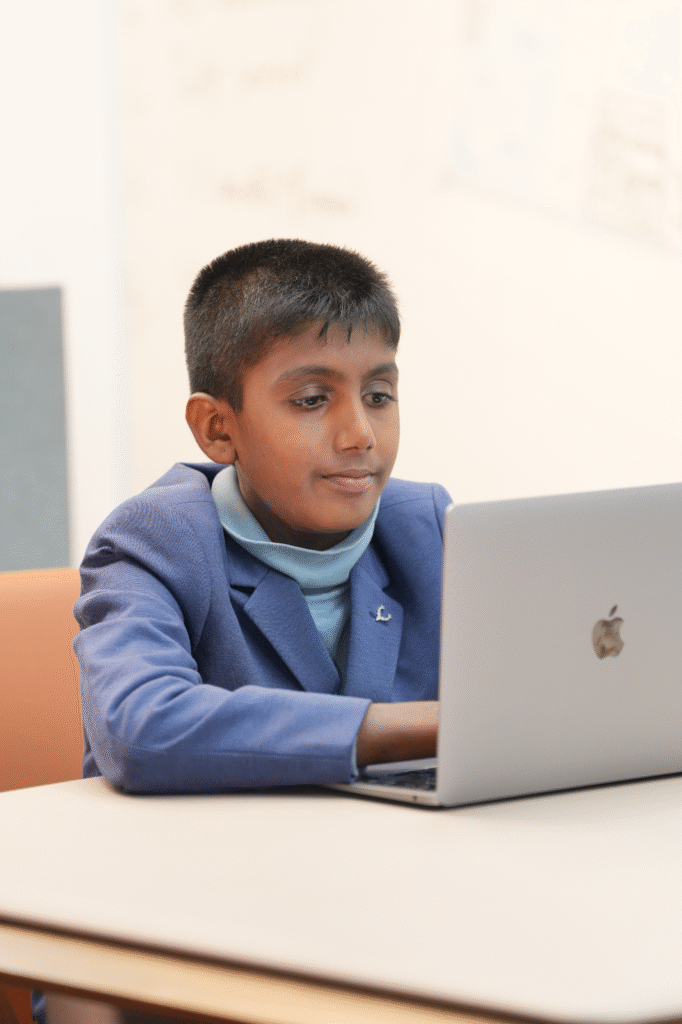
A teenage motivational speaker has the unique ability to connect with young minds, inspiring confidence, self-belief, and action. Teens today face high expectations, peer pressure, and uncertainty about their goals. Many struggle to find guidance or role models they can relate to. By sharing relatable experiences, practical strategies, and motivational guidance, the youngest motivational speaker can help students unlock their potential. JainamJain provides resources and sessions designed to empower youth, allowing them to grow into confident, capable individuals who can face challenges head-on and take meaningful action toward their dreams.
Table of Contents
The Role of a Teenage Motivational Speaker
A teenage motivational speaker does more than give a speech, they create transformation. Their stories, energy, and relatable approach help students overcome fear, self-doubt, and hesitation. By demonstrating that age is not a barrier to achievement, teenage speakers instill a belief that students can take bold steps toward their dreams. They teach youth how to harness their strengths, communicate effectively, and act with confidence.
Unlike traditional mentoring, the youngest motivational speaker connects through shared experiences and peer-level understanding. For example, when a teen listens to someone who has achieved remarkable goals at a similar age, the advice feels practical, relatable, and achievable. Students realize that their age is not a limitation but an asset for learning, experimenting, and growing.
Understanding Confidence in Teenagers
Confidence is more than self-assurance. For teenagers, it shapes how they think, speak, and act. Confident teens participate in class, try new activities, and engage in discussions without fear. They learn to trust their decisions and embrace challenges as opportunities. Guidance from the youngest motivational speaker helps students understand that confidence is a skill developed over time through practice, reflection, and consistent effort.
Teens with confidence can express themselves more clearly, pursue interests passionately, and resist the negative effects of peer pressure. Confidence helps them see failures as stepping stones rather than obstacles, encouraging resilience and persistence in every area of life.
Why Confidence Matters
Confident students are more likely to:
- Take initiative in academics and extracurriculars
- Build meaningful friendships
- Express their opinions clearly
- Face setbacks without discouragement
- Set and achieve personal goals
The presence of a relatable mentor, such as the youngest motivational speaker, demonstrates that success and growth are attainable for anyone, no matter their age. When students see a peer achieving extraordinary milestones, it motivates them to believe that they too can accomplish great things. Confidence becomes the bridge between aspirations and tangible results.
How Action is Inspired
They do more than motivate, they empower. By sharing personal experiences of challenges, perseverance, and achievements, they help teens:
- Believe in themselves
- Speak confidently in public
- Set clear, actionable goals
- Develop resilience
- Embrace learning opportunities
For example, a teenage speaker might describe how they managed to complete an ambitious project or lead a social initiative. Hearing firsthand experiences allows teens to relate, understand practical steps, and feel inspired to take action themselves. They learn that small, consistent efforts lead to big results and that confidence grows when it is practiced regularly.
Key Areas Where Confidence Impacts Teen Growth
1. Academic Performance
Students with confidence participate actively in class, ask questions, and explore ideas. They are not afraid of mistakes, viewing them as opportunities to learn and improve. With guidance from the youngest motivational speaker, confident teens are more likely to engage in group discussions, presentations, and competitions, which enhance knowledge and performance.
2. Leadership Skills
Confidence helps teens take initiative, lead group projects, and influence peers positively. Leadership emerges from consistent self-belief and action. Teens begin to understand that leadership is not about authority, but about responsibility, collaboration, and problem-solving.
3. Public Speaking and Communication
Confidence improves articulation and presentation skills. Teens learn to express themselves clearly, inspiring others and gaining respect. With guidance from the youngest motivational speaker, students can practice communication techniques, learn how to structure their thoughts, and develop the poise to speak in front of peers, teachers, or larger audiences.
4. Social Interaction
Students build strong relationships when they trust themselves. Confident teens navigate peer pressure, make friends easily, and communicate effectively. Social confidence allows them to collaborate, resolve conflicts, and create meaningful connections with others.
5. Personal Growth
A confident mindset encourages goal setting, time management, and self-discipline. This foundation prepares teens for lifelong success. Teens learn the value of persistence, accountability, and resilience. By focusing on personal growth, they cultivate self-awareness and emotional intelligence, key traits for future leaders.
Pro Tips to Build Teen Confidence
1. Celebrate Small Wins
Acknowledge achievements, no matter how small. Each step forward strengthens belief in yourself.
2. Set Achievable Goals
Start with simple targets and gradually increase challenges. Achieving goals reinforces confidence.
3. Practice Public Speaking
Speak in front of family, friends, or small groups. Comfort with speaking boosts self-assurance.
4. Embrace Failures
View mistakes as lessons, not setbacks. Learning from failures strengthens resilience.
5. Surround Yourself with Positivity
Spend time with supportive peers and mentors who encourage growth. Positive energy fuels confidence.
6. Develop Skills
Learn new skills or hobbies. Mastery brings pride and boosts self-belief.
7. Reflect Daily
Spend a few minutes evaluating your strengths, progress, and areas to improve. Awareness fosters growth.
8. Take Care of Health
Proper sleep, nutrition, and exercise improve focus and emotional stability, which support confidence.
9. Speak Kindly to Yourself
Replace self-doubt with affirmations. Positive self-talk encourages persistence and courage.
10. Seek Guidance
Learn from mentors and role models, such as sessions at JainamJain, to gain perspective and structured growth strategies.
FAQs
1. How does a teenage motivational speaker build confidence in students?
A teenage motivational speaker shares relatable experiences and actionable tips that teens can implement. They provide guidance on public speaking, leadership, and self-belief. By demonstrating that age is no barrier, they inspire students to trust themselves. This combination of motivation and practical advice nurtures long-lasting confidence.
2. Can confidence improve academic performance?
Yes, confident students participate more actively in class, ask questions, and engage in discussions. They are open to challenges and view mistakes as learning opportunities. This mindset enhances understanding and performance. Consistent practice and encouragement strengthen these traits.
3. How can parents support teen confidence?
Parents can celebrate achievements, provide constructive feedback, and encourage new experiences. Listening actively and acknowledging effort helps teens feel valued. Modeling confidence in daily life also reinforces these behaviors. Emotional support at home builds a strong foundation for growth.
4. What role does social interaction play in confidence?
Positive social interactions help teens build communication skills and self-assurance. Making friends, collaborating on projects, and participating in group activities enhance confidence. These experiences teach empathy, adaptability, and leadership. Confidence grows as teens navigate relationships successfully.
5. How long does it take to develop lasting confidence?
Confidence develops gradually through consistent effort, practice, and reflection. Daily small actions, skill-building, and positive reinforcement help students strengthen self-belief. Over time, confidence becomes a natural part of their personality. Persistence and guidance accelerate the process.
Conclusion
A teenage motivational speaker has the power to transform youth by helping them believe in themselves, act with purpose, and grow with clarity. With guidance from the youngest motivational speaker and resources at JainamJain, teens develop confidence in academics, leadership, communication, and personal growth. By applying practical strategies, embracing challenges, and taking consistent action, every student can unlock their potential and step confidently into a brighter future.
By empowering teens today, guidance ensures that the leaders, innovators, and changemakers of tomorrow are ready to take bold steps, overcome obstacles, and create meaningful impact. Confidence, self-belief, and determination become not just traits, but a lifelong foundation for success.
