



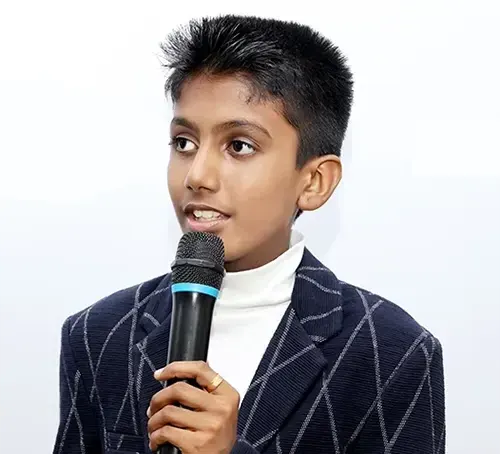
Youth Leadership Coach programs have become essential for helping teens develop confidence, focus, and the skills needed to thrive in today’s world. A good coach can guide young individuals to discover their strengths, overcome challenges, and grow into leaders. If you are considering coaching for teens, choosing the right mentor is crucial. Here, we explore the top qualities to look for in a coach, ensuring your teen receives the best guidance.
Table of Contents
How a Youth Leadership Coach Builds Long-Term Success
A coach not only helps teens develop immediate skills but also lays the foundation for long-term growth. By focusing on mindset, problem-solving, and resilience, a coach prepares young individuals to face challenges with confidence. Teens learn to set realistic goals, maintain motivation, and embrace leadership opportunities in school, community, and beyond. This long-term approach ensures that coaching for teens has a lasting impact on their personal and professional journey.
1. Experience in Youth Development
A strong coach should have hands-on experience working with teens. Look for someone who understands the unique challenges that teenagers face, from academic pressure to social dynamics. Coaches who have successfully led workshops, webinars, or interactive programs can provide practical guidance. For instance, Jainam Dhiraj Jain has over 8 years of experience, having conducted 250+ events and impacted hundreds of thousands of young individuals through personalized coaching and workshops. His work demonstrates the value of experience in understanding and guiding young minds effectively.
2. Ability to Inspire and Motivate
Coaching for teens requires more than technical knowledge; it requires the ability to inspire and motivate. A great coach sparks curiosity and encourages teens to push beyond their comfort zones. The right mentor creates an environment where students feel empowered to take bold actions and embrace challenges. Jainam’s engaging workshops and keynote sessions focus on helping teens unlock their potential, build confidence, and develop a growth mindset that lasts a lifetime.
3. Strong Communication Skills
Effective communication is critical for any coach. The ability to explain concepts clearly, listen actively, and provide constructive feedback makes a huge difference in a teen’s development. Coaches who can adjust their communication style to suit the audience help teens feel understood and supported. From webinars to hands-on workshops, Jainam Jain uses interactive methods to keep teens engaged and ensure learning is both meaningful and enjoyable.
4. Empathy and Understanding
Teens face unique emotional and social challenges. A coach who demonstrates empathy can connect with them on a personal level and offer guidance tailored to individual needs. By understanding the concerns, aspirations, and fears of their students, coaches can provide practical advice and emotional support. Jainam’s programs emphasize personalized coaching, creating a safe space for teens to explore their ideas, express themselves, and grow into confident leaders.
5. Commitment to Continuous Learning
The best coach stays updated with new teaching techniques, leadership strategies, and tools for personal development. This commitment ensures that coaching for teens remains relevant and impactful. Coaches who continue to learn and innovate bring fresh viewpoints to their sessions, helping students stay motivated and engaged. Jainam’s journey as a lifelong learner, from starting his YouTube channel at age six to co-founding 1XL, showcases his dedication to growth and excellence in youth leadership.
Pro Tips for Choosing the Right Youth Leadership Coach
- Look for coaches with documented experience in youth programs.
- Review testimonials and feedback from past participants.
- Observe their communication style during a demo session or introductory call.
- Ensure the coach personalizes guidance to each teen’s strengths and weaknesses.
- Check if they offer interactive workshops, webinars, or practical activities.
- Consider coaches who emphasize emotional intelligence and empathy.
- Look for programs that incorporate goal-setting and measurable progress.
- Assess their ability to inspire curiosity, creativity, and confidence.
- Ensure the coach encourages collaboration and teamwork among participants.
- Verify that the coach promotes long-term growth, not just short-term results.
For more information about professional youth coaching, you can explore Jainam Jain’s programs designed for teens and young leaders.
FAQs
1. What makes a good Youth Leadership Coach?
A good Youth Leadership Coach combines experience, empathy, and strong communication skills. They inspire, motivate, and guide teens to achieve personal growth. Personalized coaching and interactive workshops help teens develop confidence, leadership skills, and a growth mindset. Look for someone with proven results and a commitment to youth development.
2. How can coaching for teens improve confidence?
Coaching provides structured support where teens learn to recognize their strengths and take initiative. Through interactive exercises and goal-setting, they practice decision-making in a safe environment. Positive feedback and encouragement help teens trust themselves. Over time, confidence grows naturally as they achieve small and big milestones.
3. What types of activities do youth leadership programs include?
These programs often feature workshops, webinars, hands-on projects, and group activities. Activities may include teamwork exercises, role-playing, presentations, and problem-solving challenges. They encourage creativity and practical application of leadership skills. Teens gain both knowledge and real-life experience in a supportive setting.
4. How do I know if a program is effective?
Effectiveness can be measured by tangible progress in personal growth, communication, and leadership abilities. Feedback from previous participants is valuable. Successful programs track goal achievement and provide continuous evaluation. An effective coach adapts the program to the needs of each teen.
5. Can coaching help teens with academic and career planning?
Yes, coaching can complement academic and career goals. Coaches guide teens in goal-setting, time management, and strategic thinking. They help identify strengths, explore career options, and build skills needed for future success. This holistic approach equips teens to make informed decisions about their future.
Conclusion
Selecting the right Youth Leadership Coach can significantly shape a teen’s personal and professional development. Look for qualities such as experience, motivation, strong communication, empathy, and a commitment to continuous learning. Personalized coaching, interactive workshops, and structured programs empower teens to build confidence, develop leadership skills, and embrace their potential. By investing in the right guidance, you provide teens with tools for growth and success. For professional youth coaching and programs designed to inspire young leaders, visit Jainam Jain to explore opportunities that can transform their journey.
